
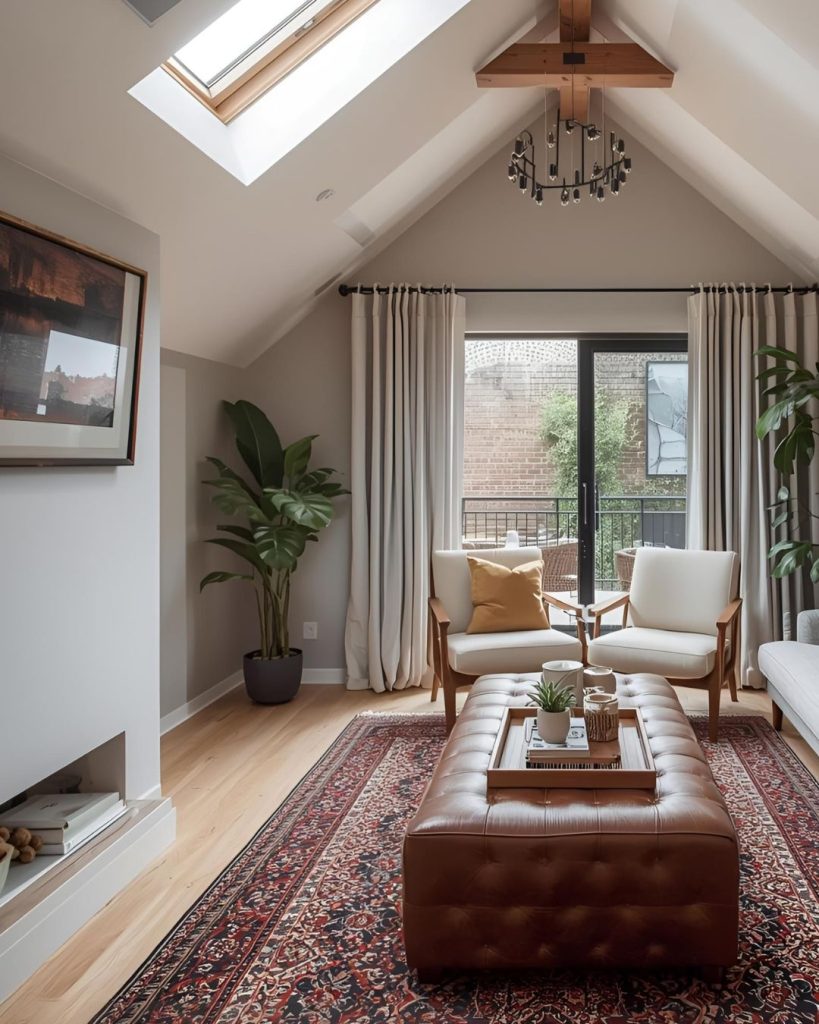
How Long Does a Loft Conversion Take in Medway?
A loft conversion is one of the most consistently cost-effective home improvements available across Medway’s housing stock — adding a bedroom and in most cases an en-suite without touching the property’s footprint or garden. But the timeline question is one that catches many homeowners off guard. By the time a builder is being appointed and a start date discussed, the gap between that conversation and a finished, usable room is often longer than expected — particularly when the pre-build phase is properly accounted for.
Medway’s housing stock is well suited to loft conversions across much of the district. The inter-war semi-detached properties of Rainham, Wigmore, Hempstead and the Medway towns typically have a pitched roof with enough height and internal volume to support a conversion without dramatic structural alteration. The post-war housing across Lordswood, Walderslade and Parkwood is more variable — trussed rafter roofs from the 1960s and 1970s require the trusses to be replaced with a new structural frame before a usable floor space can be created. And the Victorian and Edwardian terraces of central Gillingham, Chatham and Rochester have their own structural characteristics and planning considerations.
This post sets out realistic timelines for the main loft conversion types in Medway, explains the pre-build phase in detail, and covers the on-site variables that affect how quickly the build progresses.
Timeline by Conversion Type
Rooflight Conversion
The simplest and fastest type of loft conversion — retaining the existing roof pitch, adding rooflight windows for light and ventilation, and fitting a new floor, staircase, insulation and internal finishes without altering the external roofline.
For a standard Medway semi-detached property, the on-site build programme for a rooflight conversion typically runs five to eight weeks. The limited structural alteration and the absence of external masonry or roofing extension work makes this the fastest loft conversion to build. The finished room tends to be smaller than a dormer conversion of the same property, and the limited natural light compared with a dormer is worth factoring into the decision.
Dormer Conversion
The most common loft conversion type across Medway — a box dormer extending out from the rear roof slope, creating a vertical rear wall with full-height windows that significantly increases both the usable floor area and the natural light in the new room. For most Medway inter-war semis, a full-width rear dormer converts a cramped and limited loft into a proper bedroom with an en-suite of reasonable size.
On-site build time for a standard dormer conversion on a Medway semi typically runs eight to twelve weeks. The structural frame needs to be installed, the dormer cheeks built and weatherproofed, the flat roof over the dormer laid and checked before any internal work begins, and then the full internal fit-out completed. A well-run dormer conversion comes in at around ten weeks for a standard property.
Hip-to-Gable Conversion
Common on end-of-terrace and detached properties where the hipped end of the roof is converted to a vertical gable to create additional floor space — often combined with a rear dormer to maximise the usable area. On-site build time for a hip-to-gable conversion in Medway typically runs ten to fourteen weeks.
Mansard Conversion
The most extensive loft conversion type — rebuilding the rear roof slope at a near-vertical angle to create a large, almost flat-roofed extension at loft level. On-site build time for a mansard conversion typically runs twelve to sixteen weeks. The extent of the structural work and the more complex roof geometry mean this type of conversion takes longer regardless of property size.
The Pre-Build Phase
Planning Permission
Whether your loft conversion requires planning permission depends on the type of conversion and your property’s specific circumstances. In Medway, rooflight conversions and rear dormers on semi-detached and detached properties typically fall within permitted development — provided the additional volume does not exceed 40 cubic metres for terraced houses or 50 cubic metres for semis and detached, the dormer does not exceed the height of the existing ridge, and no part of the conversion faces a highway.
Where planning is required — hip-to-gable conversions, mansard conversions, terraced properties in some cases, and any property where PD rights have been removed — Medway Council’s standard determination period is eight weeks from a valid application. Factoring in drawing preparation and submission, the planning phase adds two to four months to the overall timeline. For properties in Rochester’s conservation area and the listed buildings of the historic city centre, planning requirements are more stringent and the process potentially longer.
Building Regulations
Every loft conversion requires building regulations approval regardless of whether planning permission is needed. A full plans application is the preferred route for loft conversions as it identifies any design issues before the build begins. Key inspection stages during the build include the structural frame, floor joists, fire separation, insulation and the staircase. A builder with an established working relationship with Medway Council’s building control manages these inspections correctly as a standard part of the project.
Structural Engineering
All loft conversions require structural calculations — specifying the new floor joists, the structural frame for any dormer or gable, the ridge beam where existing rafters are being altered, and in the case of trussed rafter roofs, the replacement frame. Structural calculations typically take two to three weeks from commission to delivery. Commissioning the structural engineer at the same time as the planning application avoids a gap between consent and start on site.
Party Wall Agreements
Loft conversions on terraced and semi-detached properties — which represent the majority of Medway’s housing stock — frequently involve work on or near shared walls. Written notice must be served on the affected neighbour at least two months before work on party structures begins. Serving notice as early as possible — as soon as the design is confirmed — keeps the programme on track.
What Affects the On-Site Programme?
Roof Structure Type
The single biggest variable in on-site build time across Medway’s loft conversions is the existing roof structure. Properties with traditional cut rafter roofs can generally be converted by adding a new structural frame alongside the existing rafters. Properties with trussed rafter roofs — the prefabricated triangulated structures used in most housing built from the mid-1960s onwards, common across Parkwood, Walderslade and the later Medway estates — require the entire roof structure to be replaced with a new structural frame before a usable floor space can be created. This adds both time and cost to the project.
Weather
Loft conversions involve external structural work — installing the structural frame, building dormer cheeks and laying the dormer roof — that is weather-dependent. A dormer conversion starting in October faces more potential weather delays than the same project starting in April. A contingency for weather in the programme is sensible for any external structural work planned between October and February.
Access and Logistics
Delivering structural steel, roofing materials and glazing to properties in Medway’s older terraced streets can present access challenges that affect programme duration. A semi-detached property in Rainham with an open driveway is a different logistical proposition to a mid-terrace in central Chatham where street access for deliveries is restricted.
A Realistic End-to-End Timeline for Medway Loft Conversions
Bringing pre-build and on-site phases together:
- Rooflight conversion, permitted development: three to five months total
- Rear dormer, permitted development: four to seven months total
- Hip-to-gable, planning required: six to nine months total
- Mansard, planning required: seven to eleven months total
If you are planning a loft conversion in Gillingham, Chatham, Rochester, Rainham, Strood or anywhere across the Medway district, get in touch and we will come out to assess your roof structure and advise on what is achievable. Get in touch to arrange a visit.